2026 industry trends in anti-obesity drug development
Read about how anti-obesity therapeutics in 2026 reflect a clear transition beyond first-generation incretin-based therapies.

Read about how anti-obesity therapeutics in 2026 reflect a clear transition beyond first-generation incretin-based therapies.

Explore how we perform estrous cycling to determine the estrous cycle stage of our women’s health animal models.
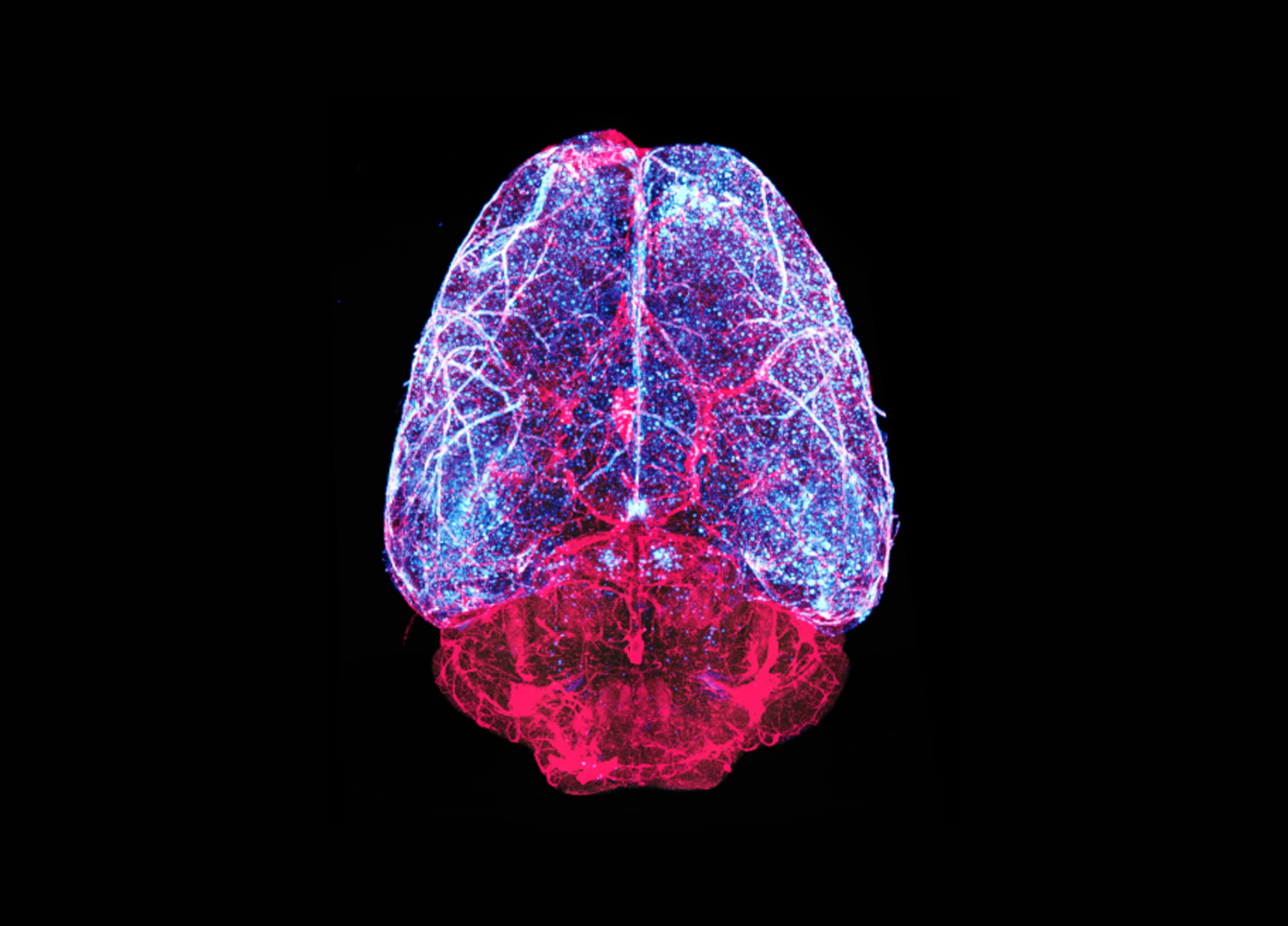
With whole-brain spatial imaging, teams can move from selected sections to atlas-aligned, brain-wide endpoints that support more confident decisions in neurodegenerative disease research.
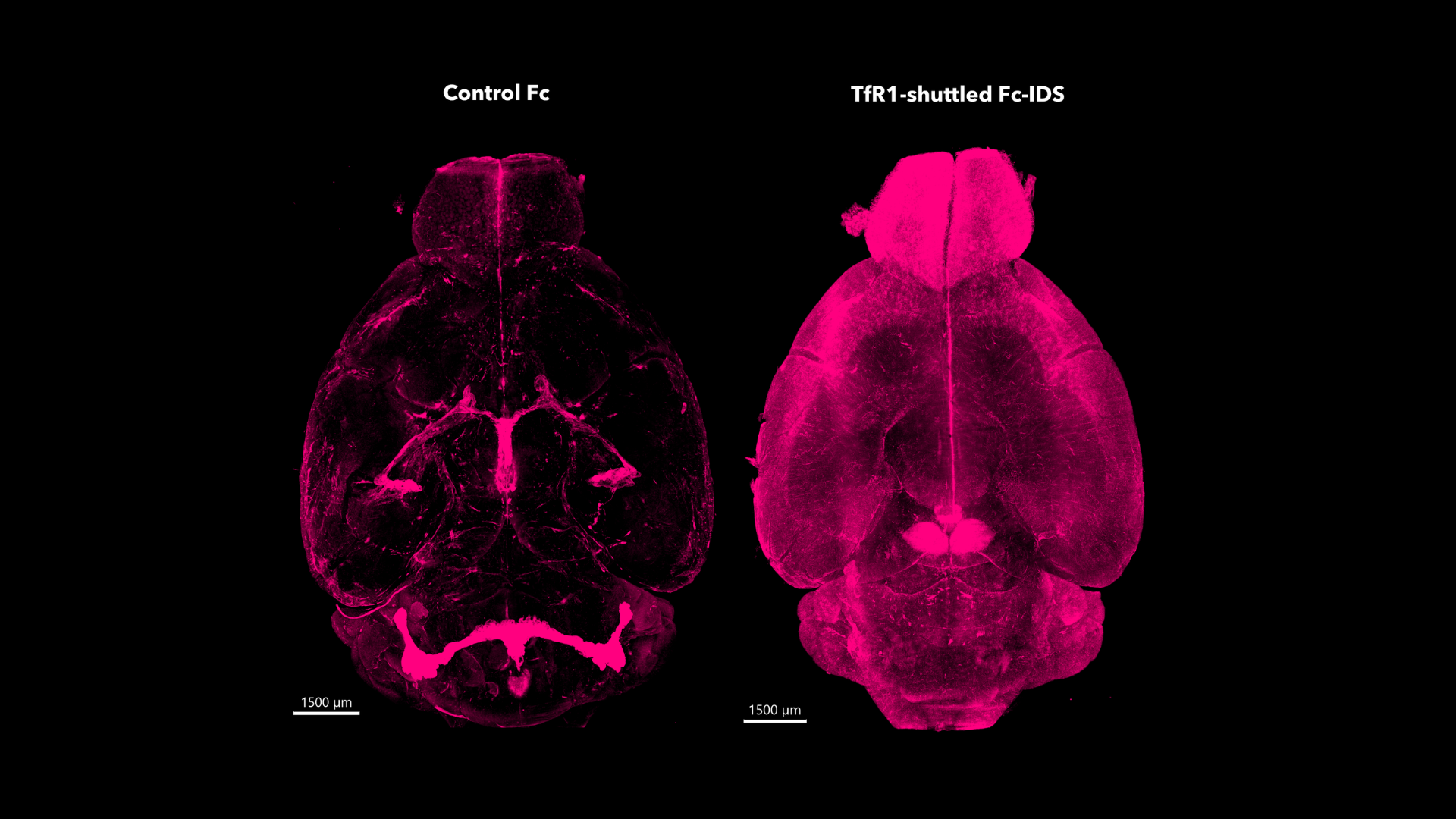
Explore how Gubra supports preclinical BBB studies that integrate CNS drug delivery with spatial characterization of disease biology.

Explore how AI-driven image analysis can enhance the evaluation of complex lung pathology and support more precise, quantitative readouts in fibrosis research.

In this article, we explore how AI-based scoring and quantitative image analysis are advancing preclinical kidney pathology.
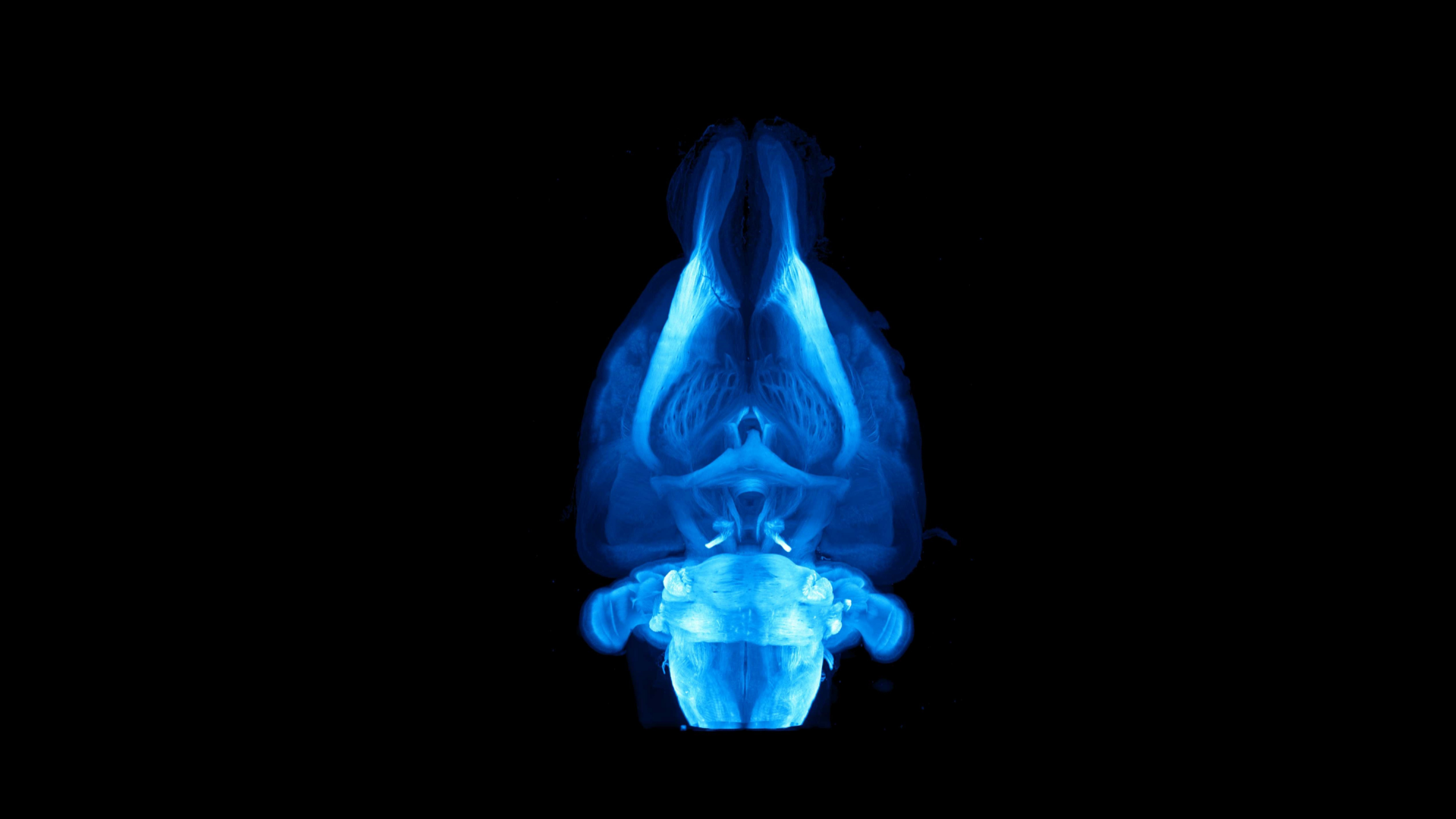
The challenge of accurately quantifying neurodegeneration in preclinical models Neurodegenerative disease is a spatially distributed, circuit-level process rather than a focal pathology. In Alzheimer’s disease (AD) mouse models, amyloid-β (Aβ) pathology and neuroinflammation extend across cortical and hippocampal regions. In…

What is in vivo pharmacology, and why is it essential in drug development? This article explains how in vivo pharmacology studies support preclinical research,
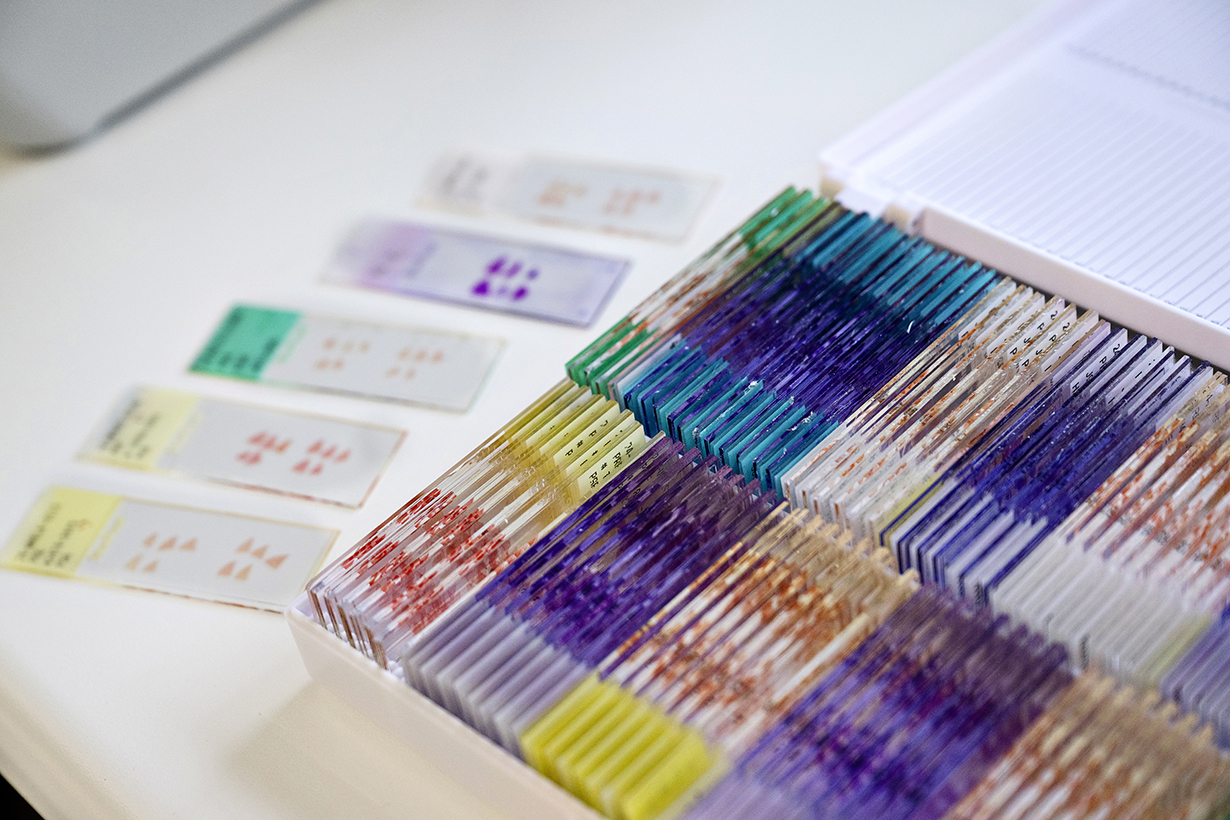
Preclinical histology work can greatly accelerate drug development and IND filings for final FDA approval. Read more about Gubra's preclinical histology services here.

As the drug development landscape evolves, the need for reliable and translational preclinical MASH models has never been greater.