
2026 industry trends in anti-obesity drug development
Read about how anti-obesity therapeutics in 2026 reflect a clear transition beyond first-generation incretin-based therapies.

Read about how anti-obesity therapeutics in 2026 reflect a clear transition beyond first-generation incretin-based therapies.
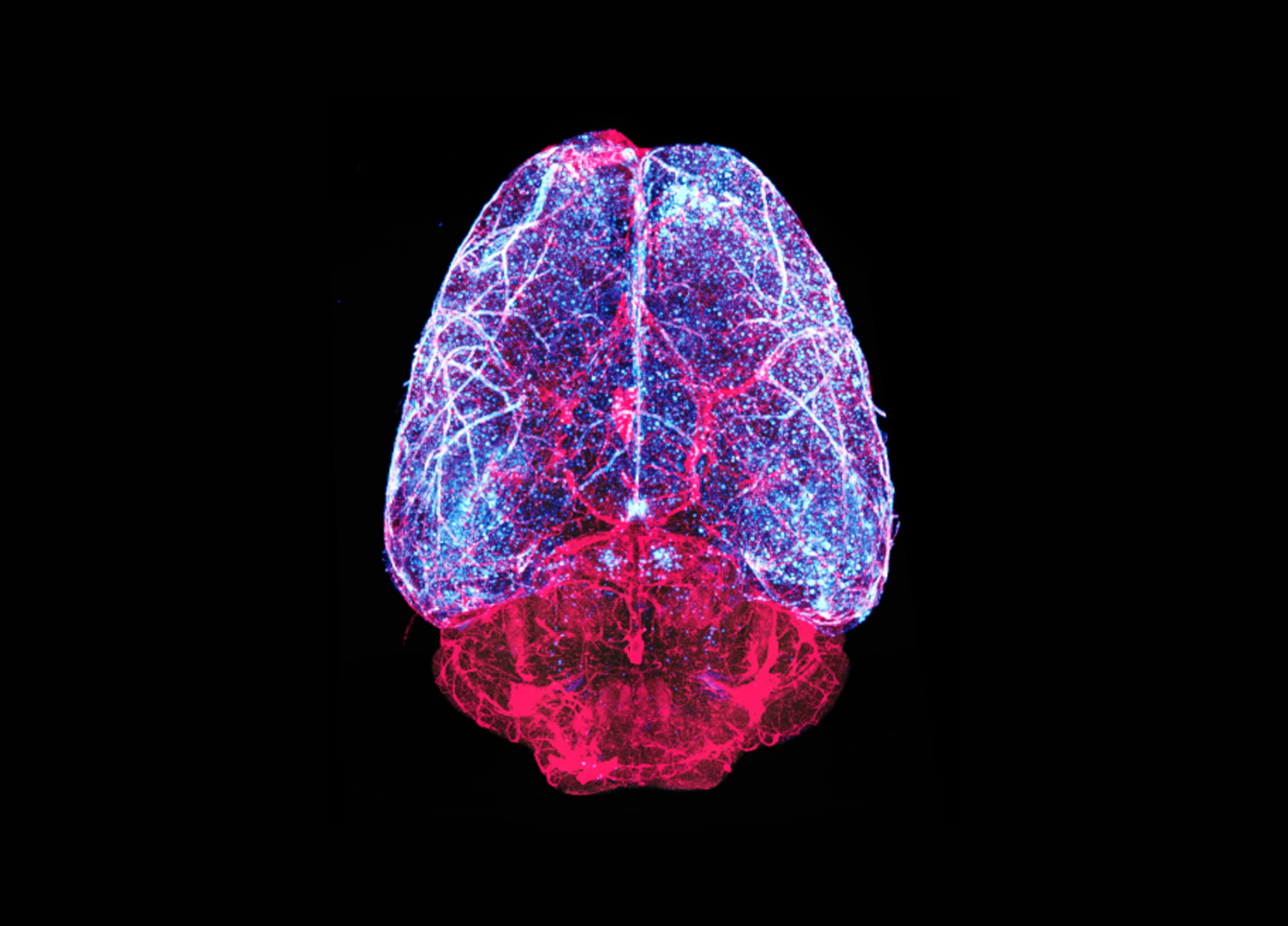
With whole-brain spatial imaging, teams can move from selected sections to atlas-aligned, brain-wide endpoints that support more confident decisions in neurodegenerative disease research.
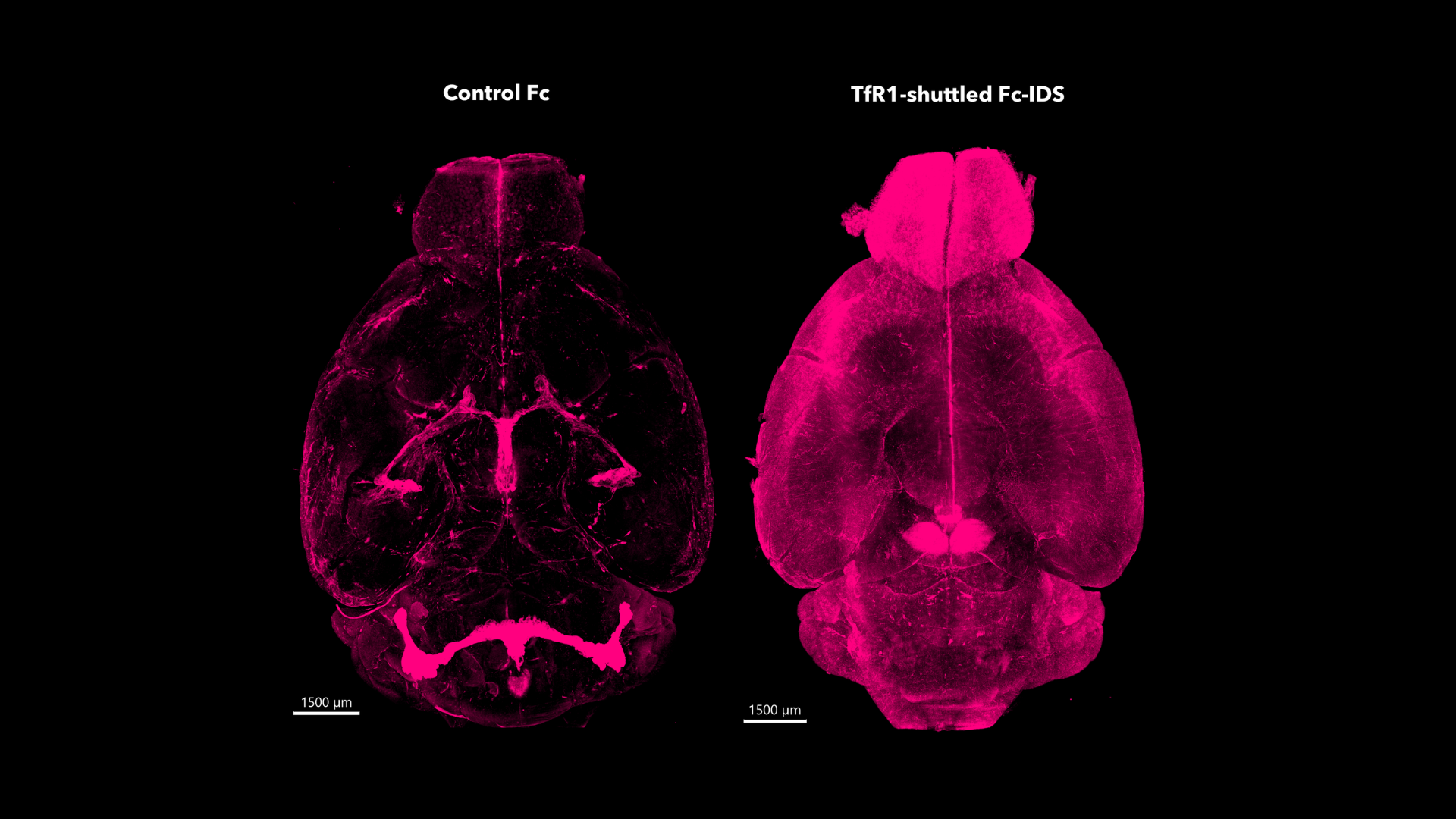
Explore how Gubra supports preclinical BBB studies that integrate CNS drug delivery with spatial characterization of disease biology.
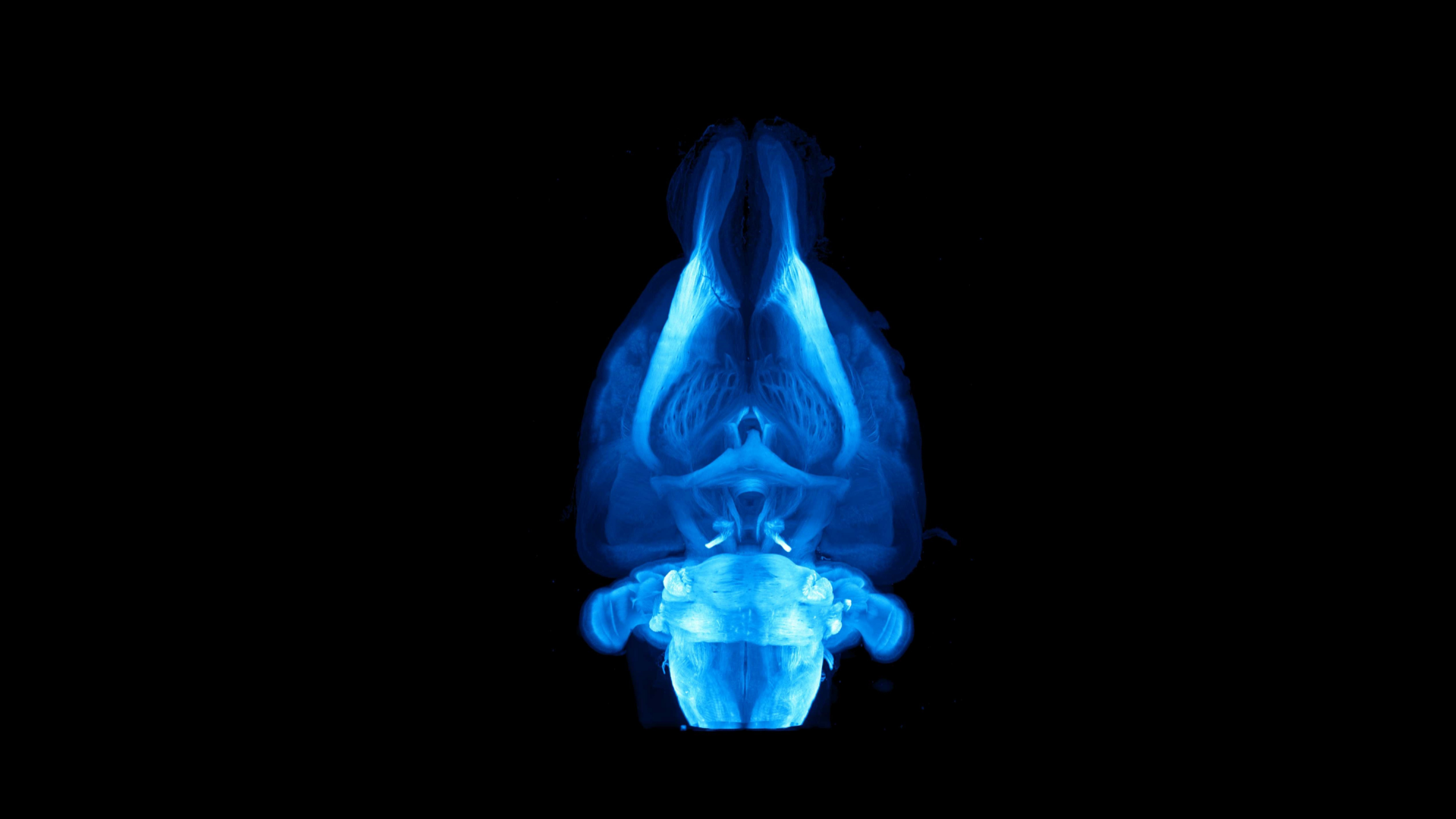
The challenge of accurately quantifying neurodegeneration in preclinical models Neurodegenerative disease is a spatially distributed, circuit-level process rather than a focal pathology. In Alzheimer’s disease (AD) mouse models, amyloid-β (Aβ) pathology and neuroinflammation extend across cortical and hippocampal regions. In…

The efficacy of an anti-atherosclerotic compound is only as good as the method used to measure it. Explore the difference between the DIO-LDLR-KO mouse model and the DIO-AAV-PCSK9 mouse model.

In this article, we dive deeper into c-Fos, its function, and how it can be used in research.
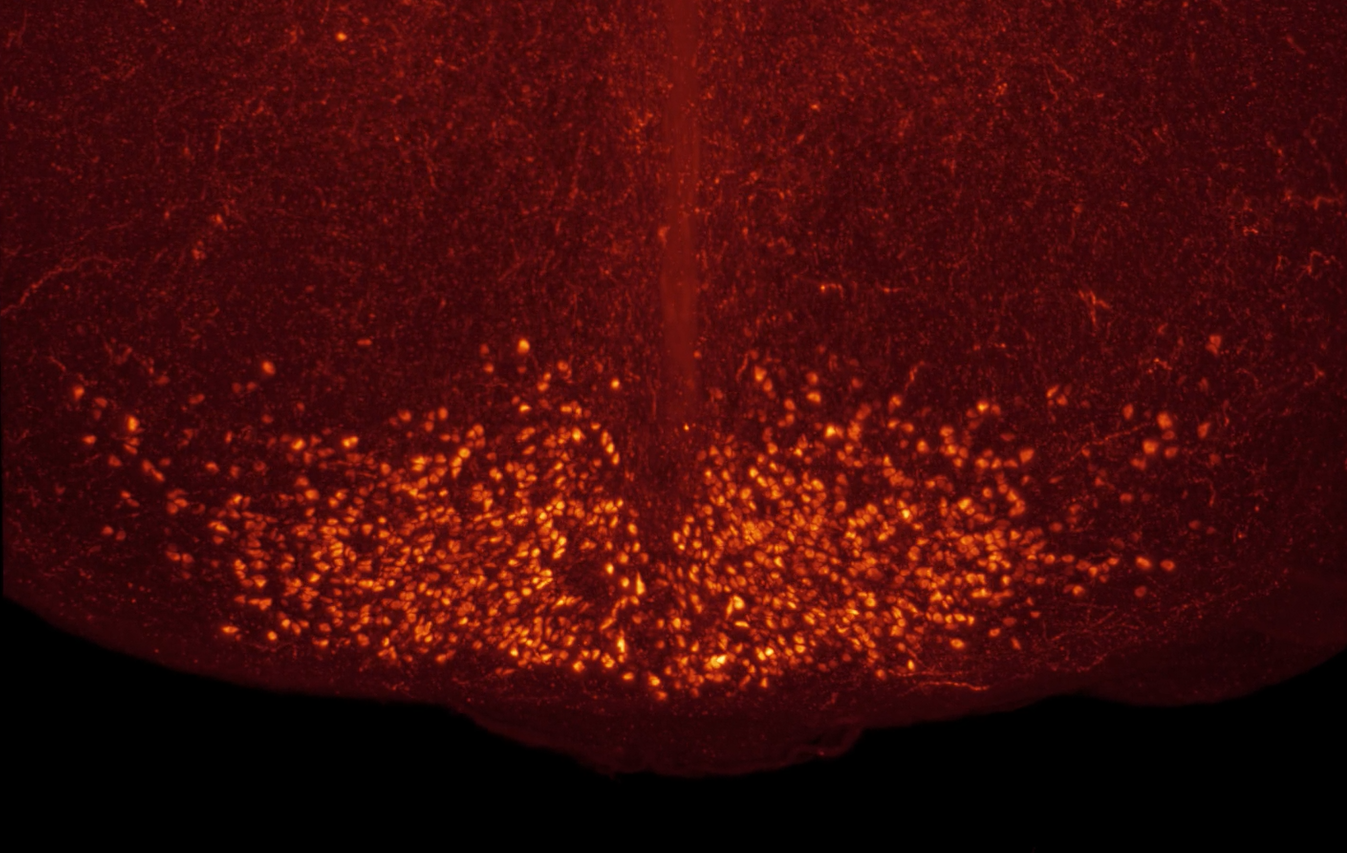
Leverage Gubra’s expertise in both obesity and 3D imaging.
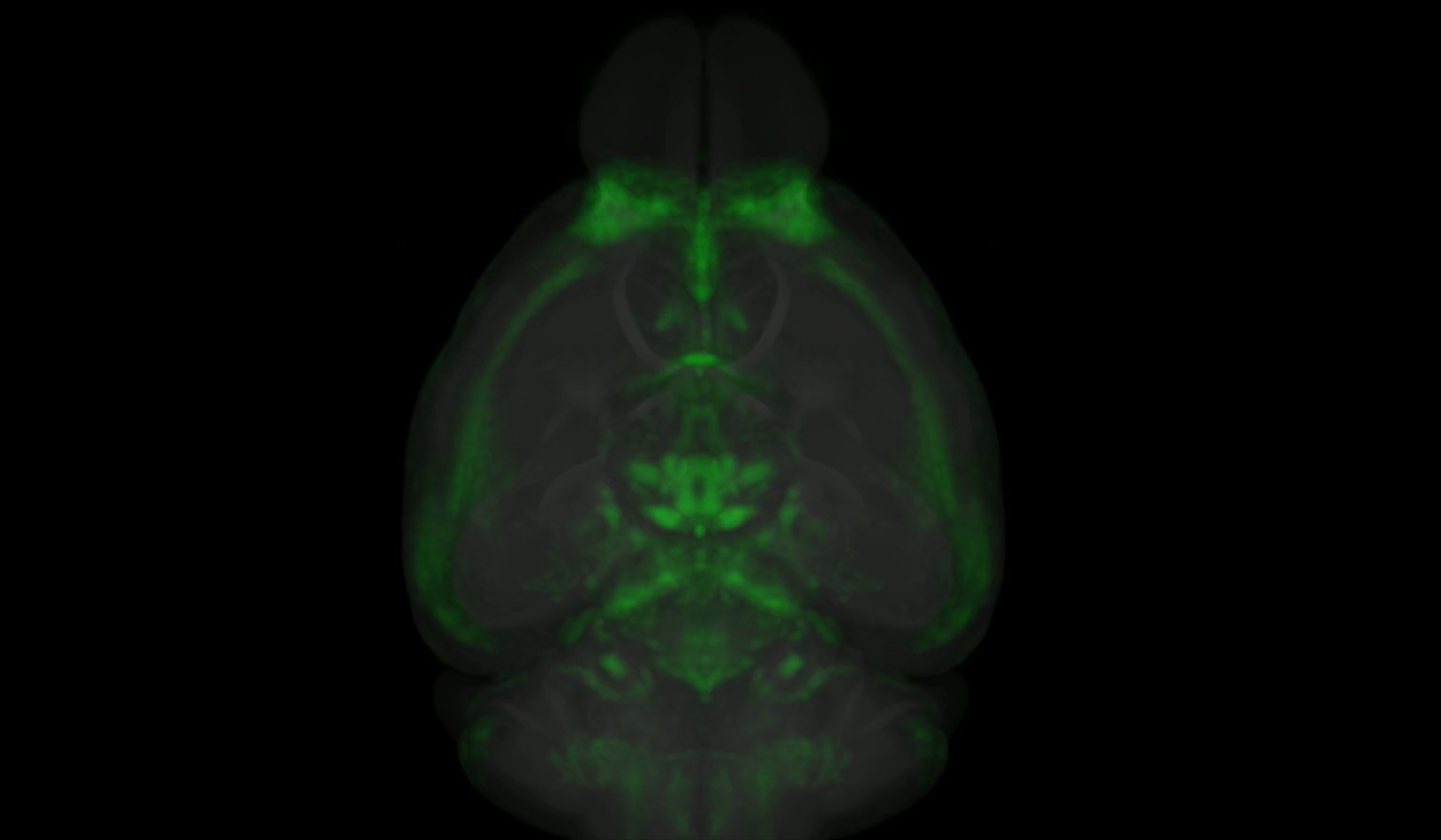
What is c-Fos? c-Fos is an immediate-early gene that is activated in central nervous system (CNS) neurons upon exposure to neurotransmitters or activating stimulation. The c-Fos protein is a member of a transcription factor complex that will activate other genes to…