
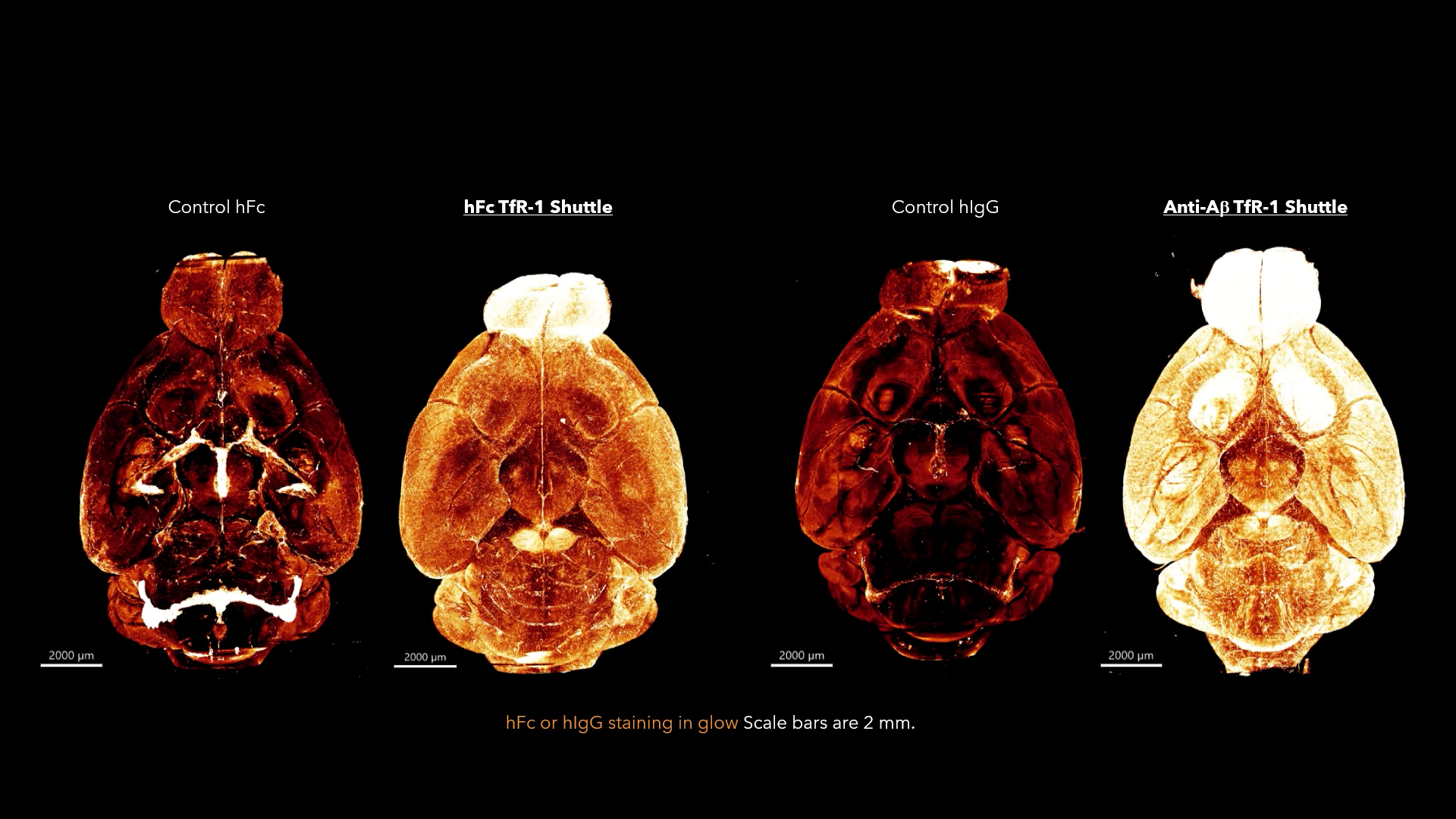

Modeling sarcopenic obesity to advance healthy weight loss therapies
Background & aim: Incretin-based therapies have revolutionized obesity treatment by substantially reducing body weight and fat mass, yet are associated with a disproportionate loss of lean mass compared with traditional weight-loss interventions. Despite the great interest in the matter, primary…

Characterization of bimagrumab and apitegromab treatment in a mouse model of dexamethasone-induced muscle atrophy
Background & aim: Dexamethasone administration is a well-established avenue for modelling muscle atrophy. Variants of this approach have long been used to evaluate hypertrophic agents and have lately been involved in pre-clinical programs for muscle-targeted therapies. Here, we aimed to…
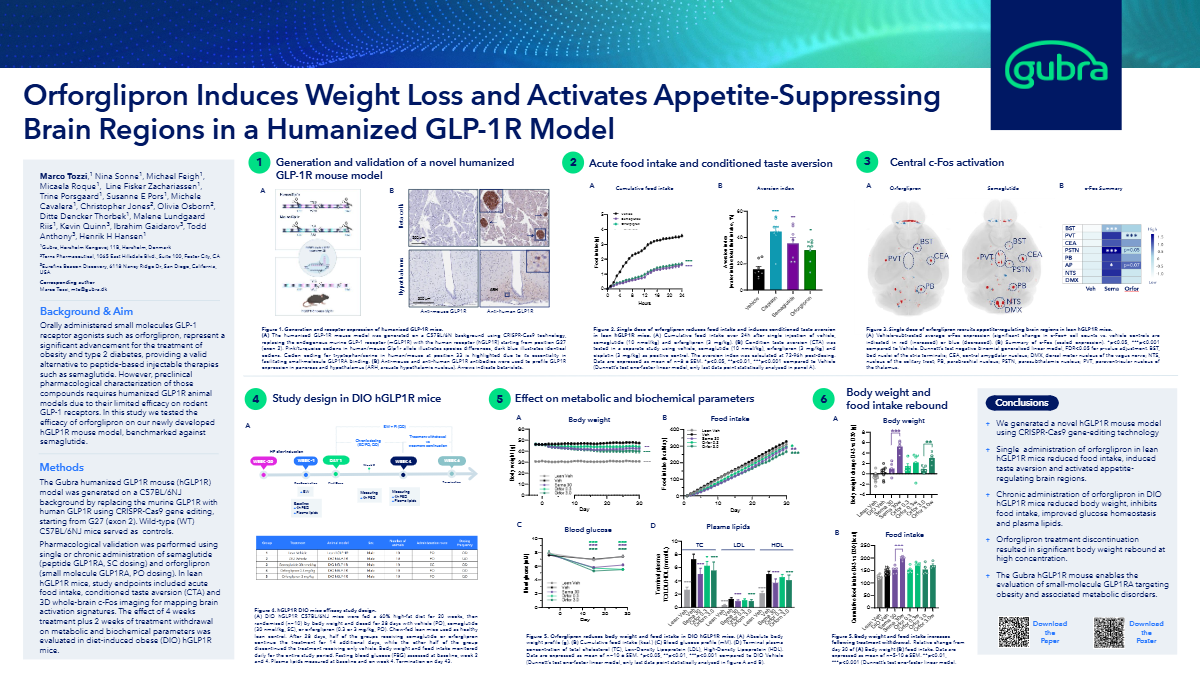
Orforglipron induces weight loss and activates appetite-suppressing brain regions in a humanized GLP-1R model
Background & aim: Orally administered small molecules GLP-1 receptor agonists such as orforglipron, represent a significant advancement for the treatment of obesity and type 2 diabetes, providing a valid alternative to peptide-based injectable therapies such as semaglutide. However, preclinical pharmacological…
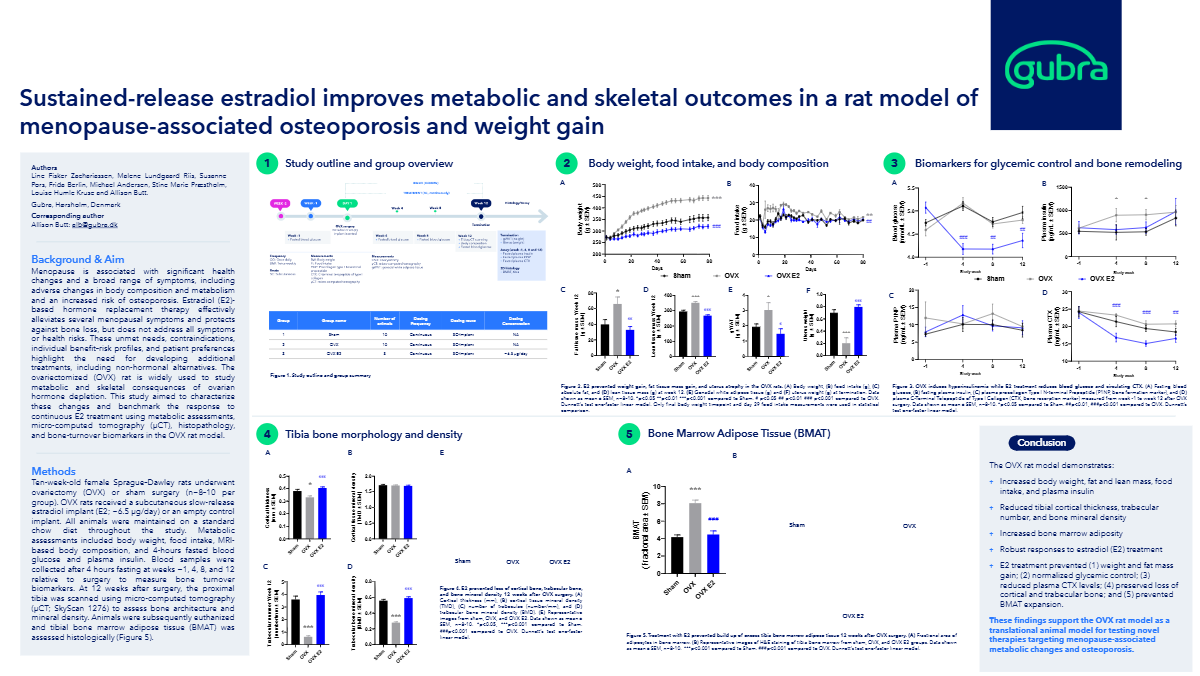
Sustained-release estradiol improves metabolic and skeletal outcomes in a rat model of menopause-associated osteoporosis and weight gain
Background & aim: Menopause is associated with significant health changes and a broad range of symptoms, including adverse changes in body composition and metabolism and an increased risk of osteoporosis. Estradiol (E2)-based hormone replacement therapy effectively alleviates several menopausal symptoms…
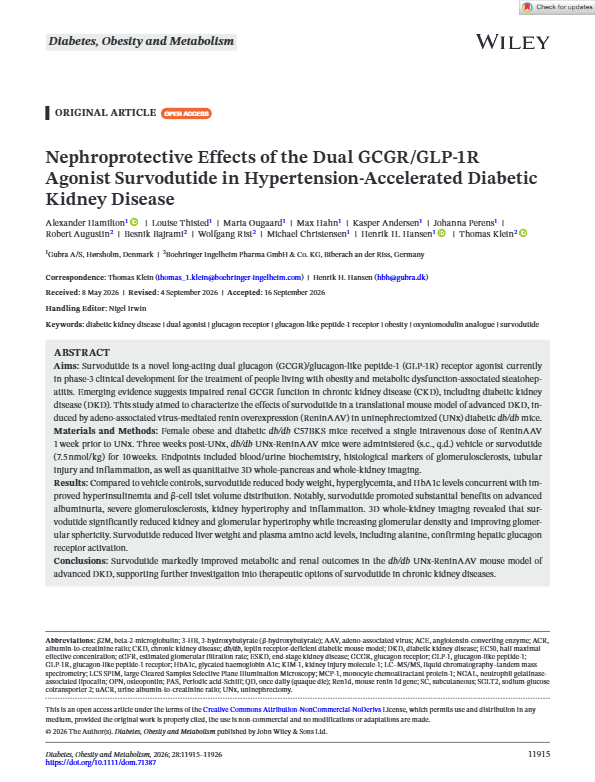
Nephroprotective Effects of the Dual GCGR/GLP-1R Agonist Survodutide in Hypertension-Accelerated Diabetic Kidney Disease
Background & aim: Aims: Survodutide is a novel long-acting dual glucagon (GCGR)/glucagon-like peptide-1 (GLP-1R) receptor agonist currently in phase-3 clinical development for the treatment of people living with obesity and metabolic dysfunction-associated steatohepatitis. Emerging evidence suggests impaired renal GCGR function…
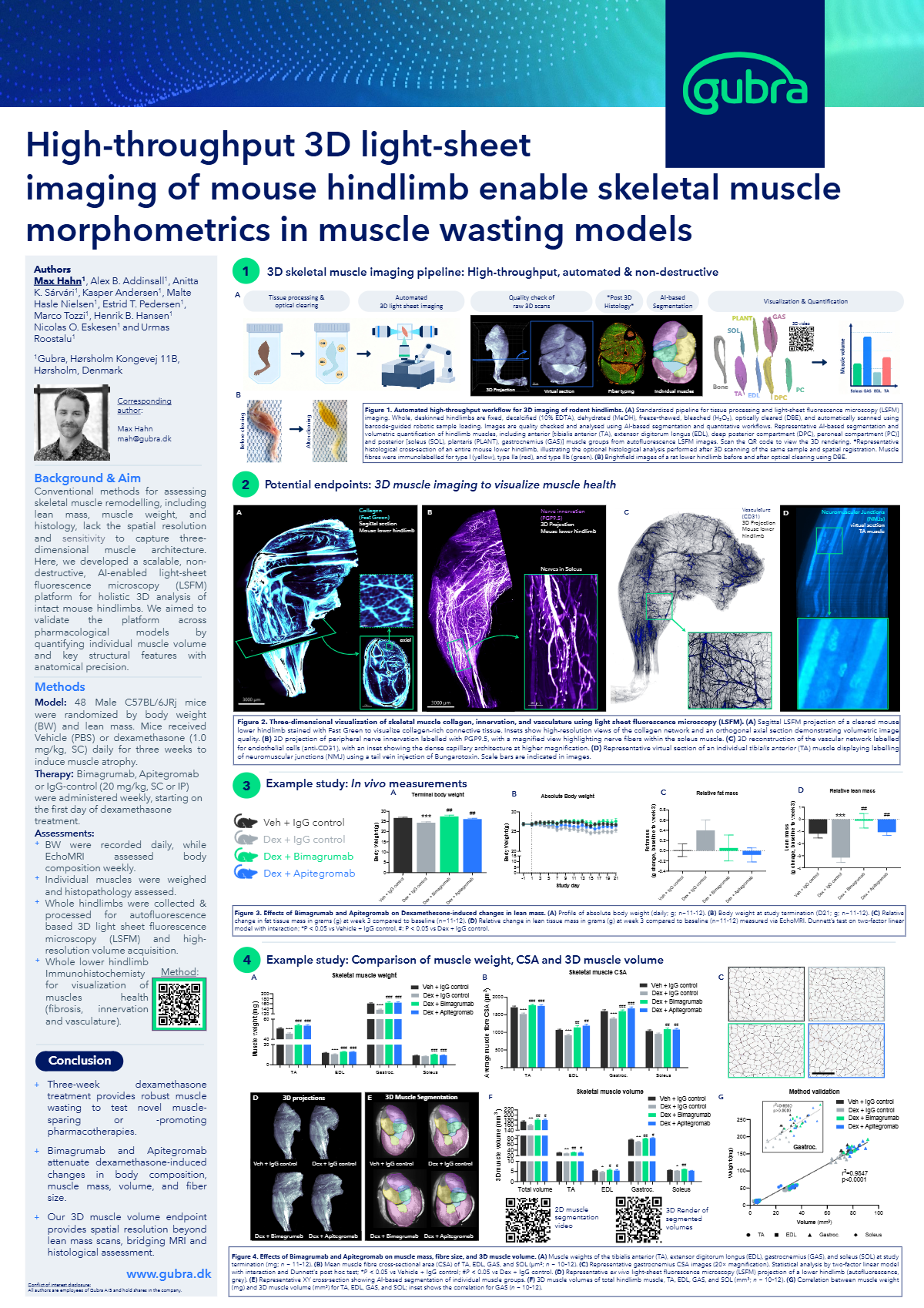
High-throughput 3D light-sheet imaging of mouse hindlimb enable skeletal muscle morphometrics in muscle wasting models
Background & aim: Conventional methods for assessing skeletal muscle remodelling, including lean mass, muscle weight, and histology, lack the spatial resolution and sensitivity to capture three-dimensional muscle architecture. Here, we developed a scalable, non-destructive, AI-enabled light-sheet fluorescence microscopy (LSFM) platform…
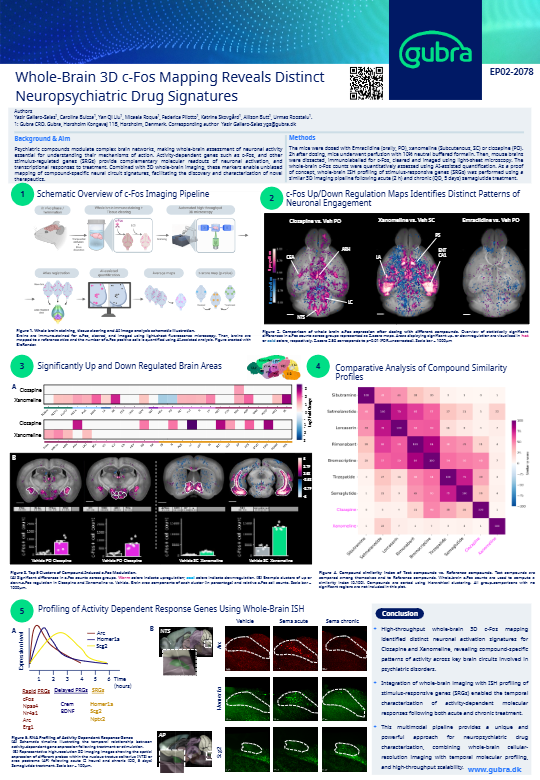
Whole-Brain 3D c-Fos Mapping Reveals Distinct Neuropsychiatric Drug Signatures
Background & aim: Psychiatric compounds modulate complex brain networks, making whole-brain assessment of neuronal activity essential for understanding their mechanisms of action. Activity-dependent genes such as c-Fos, and other stimulus-regulated genes (SRGs) provide complementary molecular readouts of neuronal activation, and…
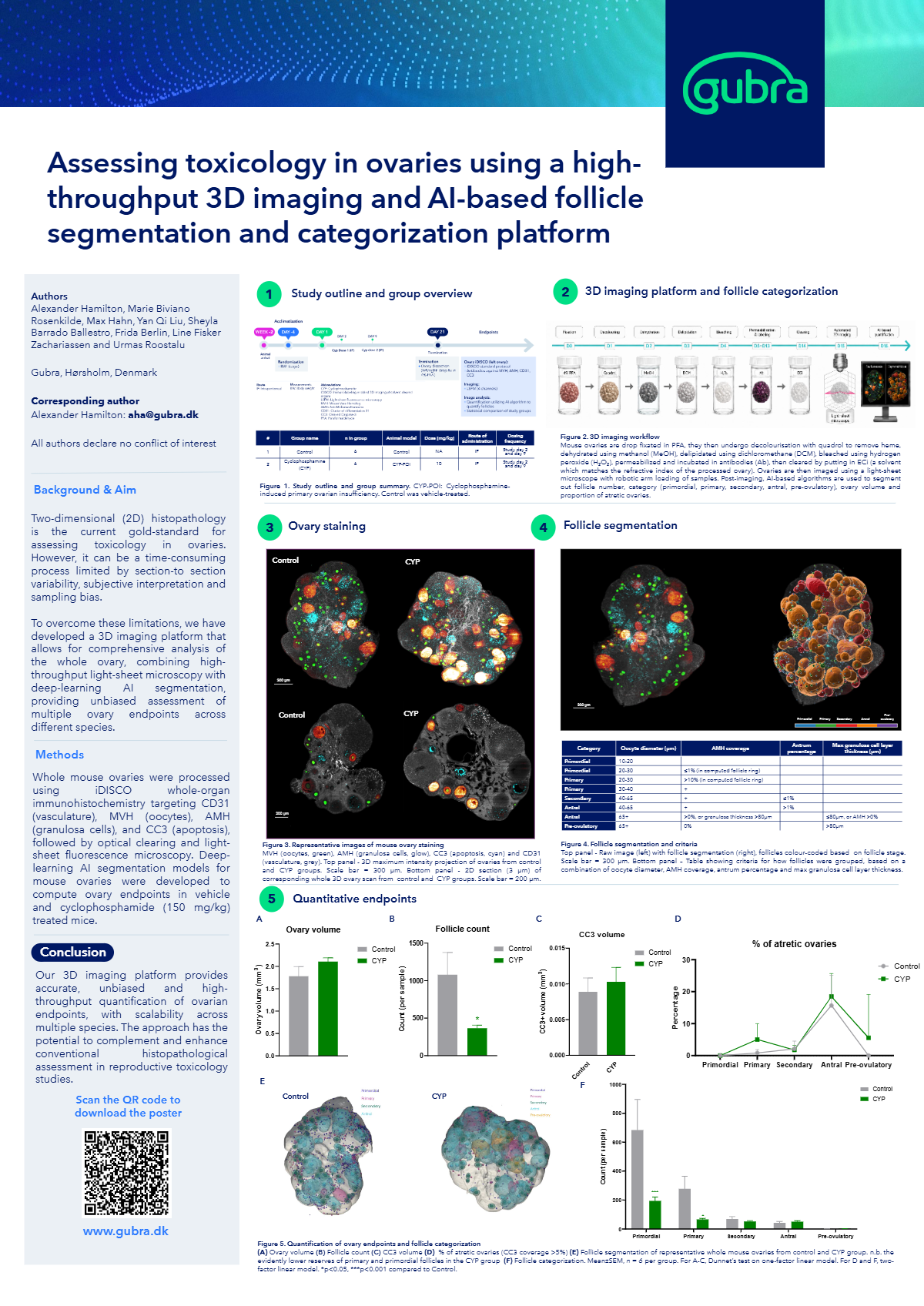
Assessing toxicology in ovaries using a high-throughput 3D imaging and AI-based follicle segmentation and categorization platform
Background & aim: Two-dimensional (2D) histopathology is the current gold-standard for assessing toxicology in ovaries. However, it can be a time-consuming process limited by section-to section variability, subjective interpretation and sampling bias. To overcome these limitations, we have developed a…