
Preclinical models of diabetic kidney disease
ReninAAV Unx dbdb mouse model of DKD
A translational mouse model of diabetic kidney disease (DKD) that combines obesity, hyperglycemia, hypertension, and renal injury. The model supports evaluation of nephroprotective and cardiorenal therapies, enabling assessment of metabolic, cardiovascular, and renal disease progression in preclinical kidney research.

Consult with Michael Christensen
Head of Scientific Sales
Discuss your DKD study with our scientific experts
db/db UNx-ReninAAV Model Overview
The db/db UNx-ReninAAV mouse model is an advanced model of diabetic kidney disease that combines adeno-associated virus-mediated renin overexpression (ReninAAV), uninephrectomy, and type 2 diabetes. The model develops hypertension, albuminuria, glomerulosclerosis, and renal transcriptomic changes, providing a robust platform for evaluating therapies targeting DKD progression.

Key Applications of the db/db UNx-ReninAAV Mouse Model
This model is used to evaluate therapies targeting diabetic kidney disease and associated cardio-renal complications.
-
Diabetic kidney disease (DKD) research
-
Hypertension-associated kidney injury
-
Nephroprotective drug development
-
GLP-1 receptor agonist studies
-
Renal transcriptomic and mechanistic studies
- Cardiorenal disease research

Key Advantages of the db/db UNx-ReninAAV Mouse Model
The model combines multiple clinically relevant drivers of DKD and enables assessment of functional, histological, and molecular endpoints.
-
Hypertension-accelerated disease progression
-
Albuminuria and glomerulosclerosis endpoints
-
Responsive to clinically relevant therapies
-
Supports bulk and single-nucleus RNA sequencing analyses
- Supports integrated assessment of metabolic, cardiovascular, and renal endpoints
Model Translational Relevance
Obesity, hyperglycemia, and hypertension are major risk factors for diabetic kidney disease progression. The db/db UNx-ReninAAV model incorporates these features and demonstrates responsiveness to semaglutide and lisinopril, supporting its translational relevance for preclinical drug development.

db/db UNx-ReninAAV Mouse Model Background
The model combines uninephrectomy (UNx), adeno-associated virus-mediated renin overexpression (ReninAAV), and the diabetic db/db background to accelerate development of advanced diabetic kidney disease. This results in hypertension, albuminuria, glomerular injury, and renal transcriptomic alterations.

db/db UNx-ReninAAV Mouse Model Validation
Treatment with semaglutide alone or in combination with lisinopril improves metabolic parameters, hypertension, albuminuria, glomerulosclerosis, and renal transcriptome signatures. These findings support the utility of the model for evaluating therapeutic interventions in DKD.
Study Design & Protocol
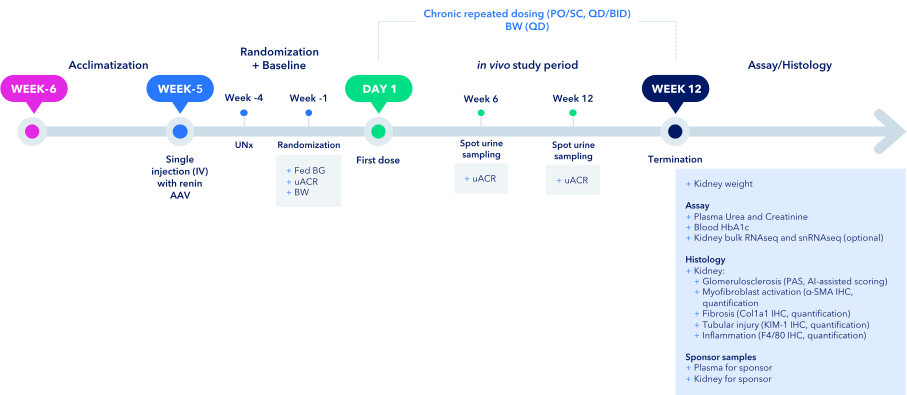
The db/db UNx-ReninAAV model combines surgical and viral induction methods with pharmacological intervention to evaluate diabetic kidney disease progression and treatment response under controlled conditions.
Study groups and dosing regimen in the db/db UNx-ReninAAV mouse model
A typical study includes ReninAAV administration, uninephrectomy, treatment initiation, and longitudinal assessment of metabolic, cardiovascular, renal, and transcriptomic endpoints. Animals are monitored throughout the study, and endpoint analyses are performed following treatment completion.
| Group | Animal | Gender | Number of animals |
Treatment | Administration route |
Dosing Frequency |
Dosing volume |
Dosing concentration |
|---|---|---|---|---|---|---|---|---|
| 1 | ReninAAV Unx db/db | Female | 15 | Vehicle | SC | QD | 5 ml/kg | - |
| 2 | ReninAAV Unx db/db | Female | 15 | Semaglutide | SC | QD | 5 ml/kg | 30 nmol/kg |
| 3 | ReninAAV Unx db/db | Female | 15 | Semaglutide + Lisinopril | SC + PO | QD | 5 ml/kg | 30 nmol/kg + 30 mg/kg |
Standard study outline of the db/db UNx-ReninAAV model
The study includes vehicle-treated and treatment groups receiving semaglutide alone or semaglutide in combination with lisinopril. This design enables assessment of therapeutic effects on diabetic kidney disease progression, hypertension, albuminuria, and renal injury.
Renal Endpoints & Readouts
The model enables assessment of metabolic dysfunction, hypertension, albuminuria, glomerular injury, and renal transcriptomic changes associated with diabetic kidney disease.
Improved metabolic parameters
Semaglutide alone and in combination with lisinopril reduces body weight, blood glucose, and HbA1c in db/db UNx-ReninAAV mice.
Figure 1. Semaglutide reduces body weight and biochemical parameters in db/db UNx-ReninAAV mice.
Body weight, fed blood glucose, and terminal HbA1c were assessed throughout the treatment period. Semaglutide treatment improved metabolic parameters compared with vehicle-treated animals.
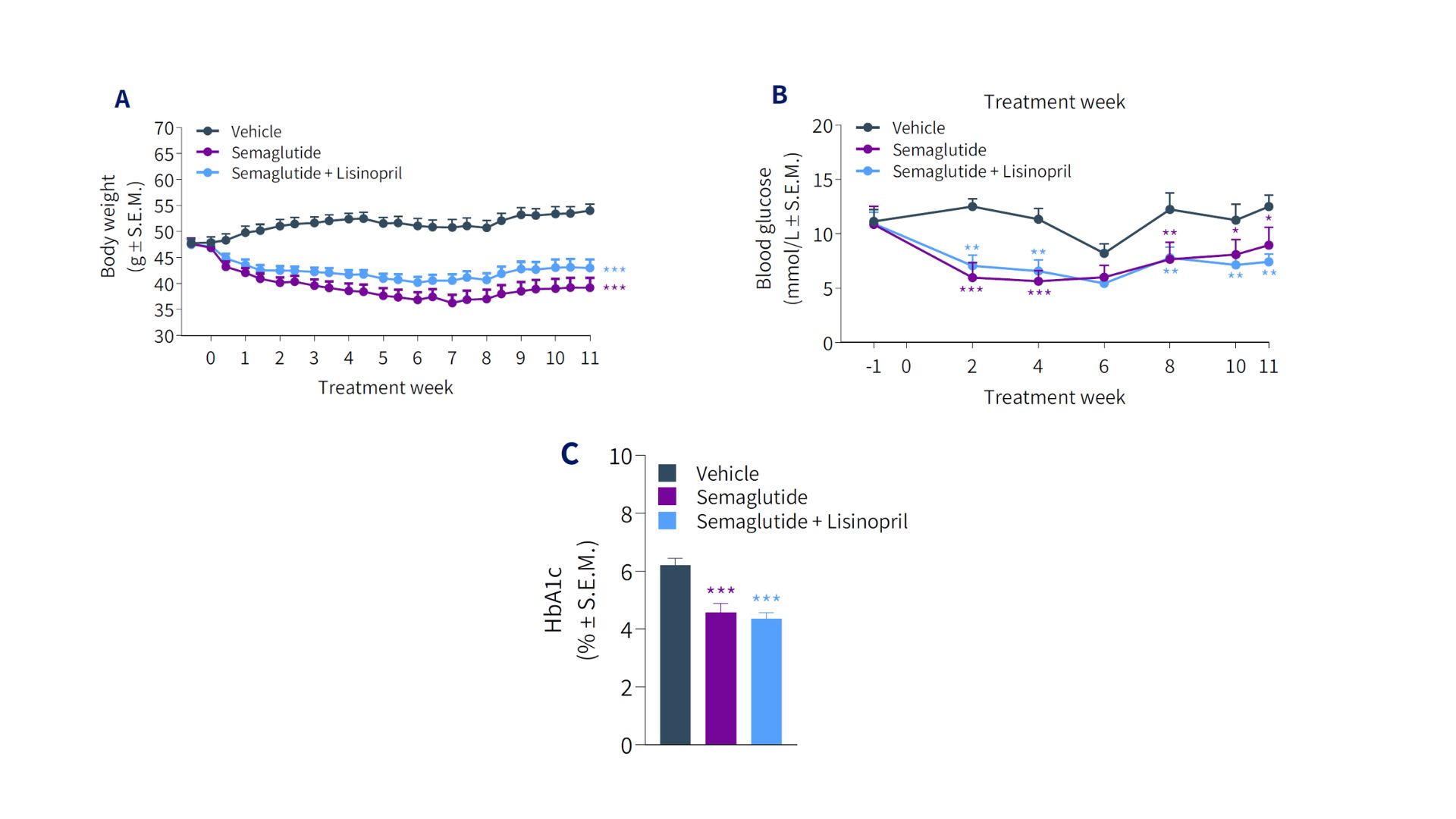
These findings demonstrate that the model captures metabolic features of diabetic kidney disease and their response to therapeutic intervention.
Improvements in hypertension and albuminuria
Semaglutide alone and in combination with lisinopril markedly improves hypertension and albuminuria in db/db UNx-ReninAAV mice.
Figure 2. Semaglutide markedly improves hypertension and albuminuria in db/db UNx-ReninAAV mice.
Mean arterial blood pressure and urine albumin-to-creatinine ratio were evaluated following treatment. Semaglutide treatment improved blood pressure and reduced albuminuria compared with vehicle-treated animals.
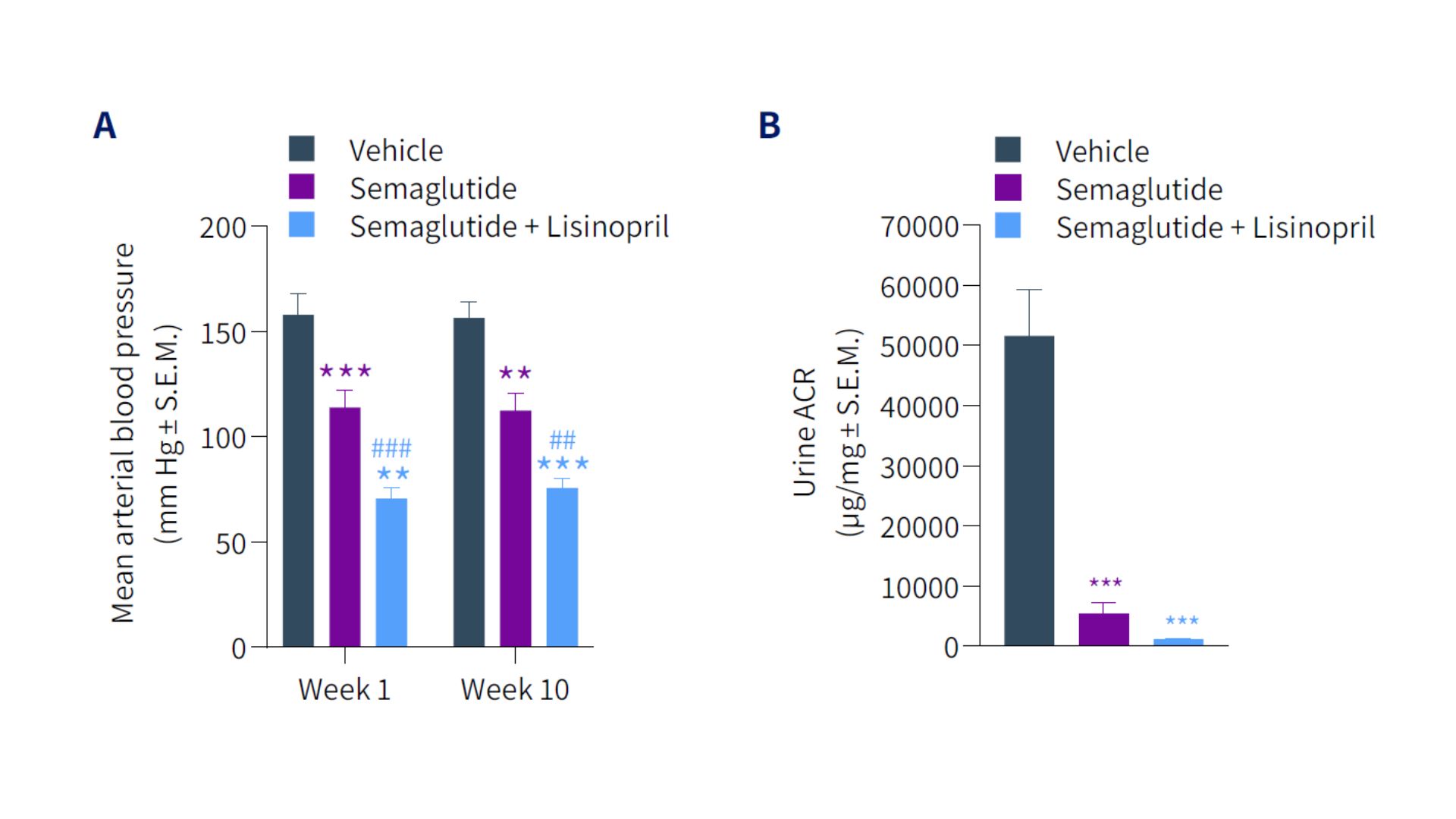
These results demonstrate that the model provides clinically relevant functional endpoints for evaluating therapies targeting diabetic kidney disease.
Reduced glomerulosclerosis
Semaglutide treatment reduces glomerulosclerosis severity in db/db UNx-ReninAAV mice.
Figure 3. Semaglutide improves glomerulosclerosis severity in db/db UNx-ReninAAV mice.
Glomerulosclerosis was quantified using Gubra Histopathological Objective Scoring Technique (GHOST) deep learning-based image analysis. Treatment reduced glomerulosclerosis severity and improved the glomerulosclerosis index compared with vehicle-treated animals.
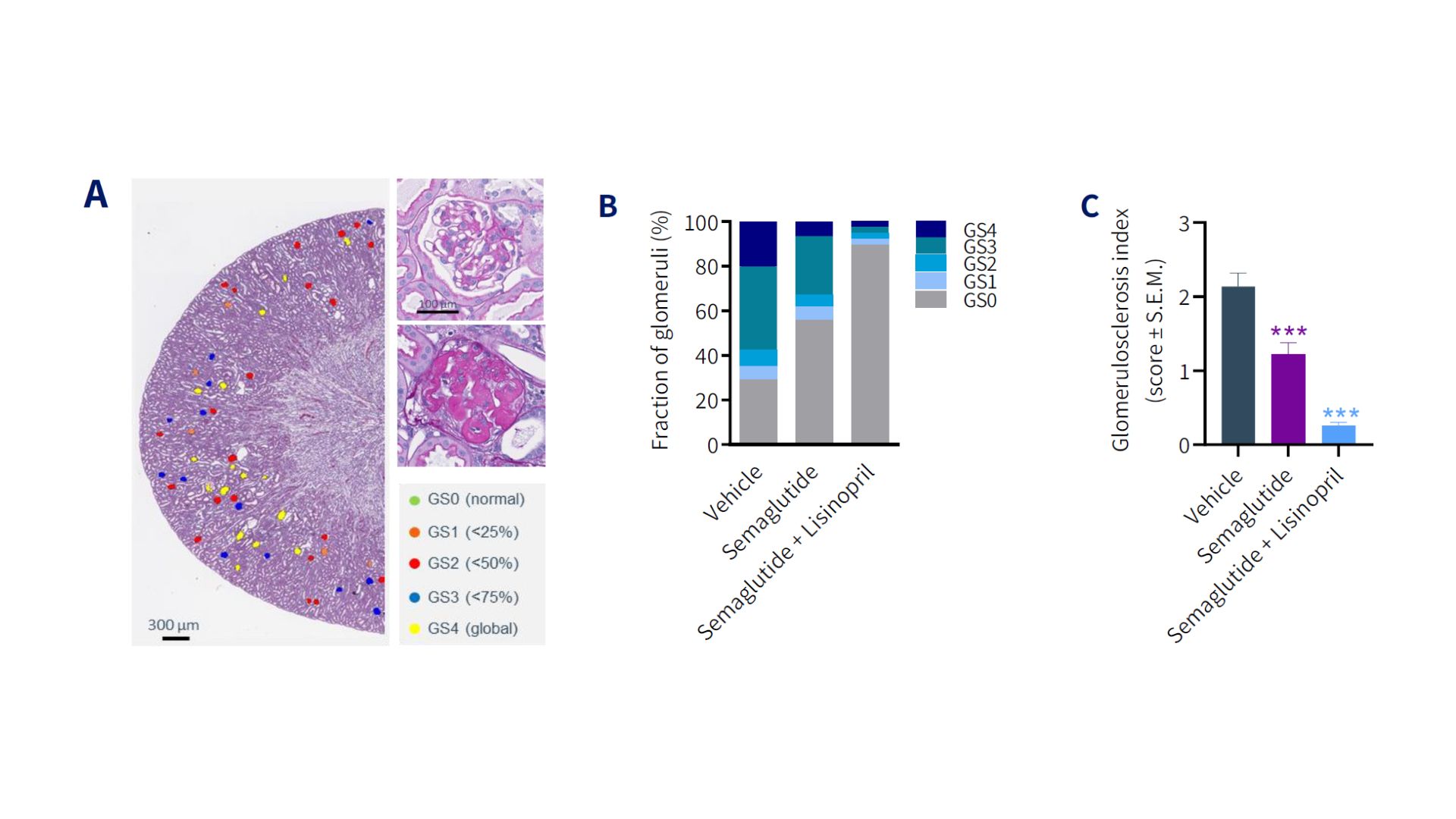
These findings demonstrate that the model enables quantitative assessment of structural kidney damage and therapeutic efficacy.
Renal cell-type associated transcriptome changes
Semaglutide suppresses gene expression markers of extracellular matrix remodeling and immune system activation in db/db UNx-ReninAAV mice.
Figure 4. Semaglutide suppresses gene expression markers of extracellular matrix remodeling and immune system activation in db/db UNx-ReninAAV mice.
Bulk RNA sequencing and single-nucleus RNA sequencing were used to evaluate treatment-associated transcriptomic changes across major kidney cell types. Semaglutide treatment altered pathways related to extracellular matrix organization, immune system activation, and cell-type specific gene expression signatures.
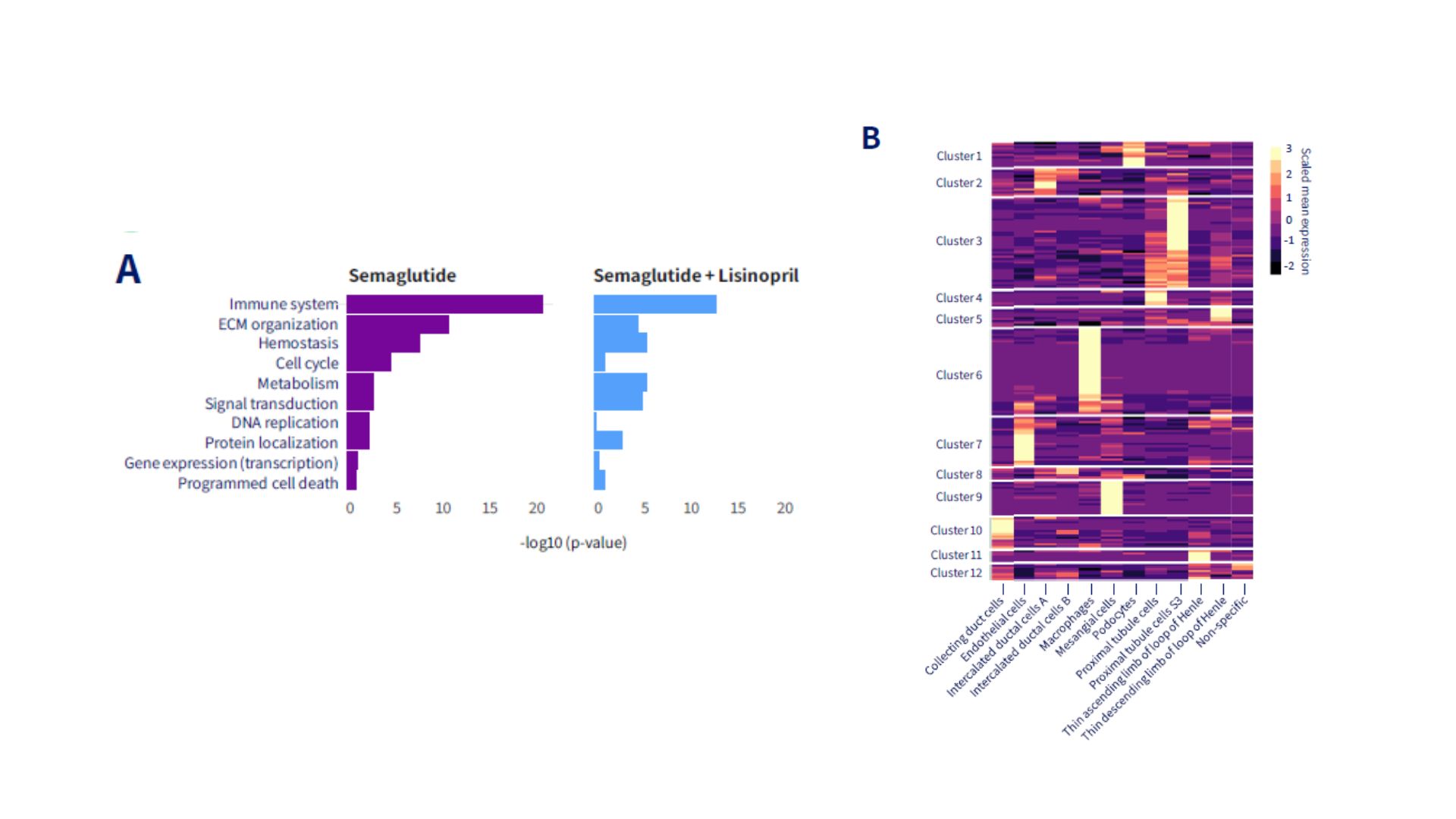
These results demonstrate that the model supports mechanistic evaluation of therapeutic effects at the molecular and cellular level.
Renal cell-type associated transcriptome changes
Semaglutide suppresses gene expression markers of extracellular matrix remodeling and immune system activation in db/db UNx-ReninAAV mice.
Figure 4. Semaglutide suppresses gene expression markers of extracellular matrix remodeling and immune system activation in db/db UNx-ReninAAV mice.
Bulk RNA sequencing and single-nucleus RNA sequencing were used to evaluate treatment-associated transcriptomic changes across major kidney cell types. Semaglutide treatment altered pathways related to extracellular matrix organization, immune system activation, and cell-type specific gene expression signatures.
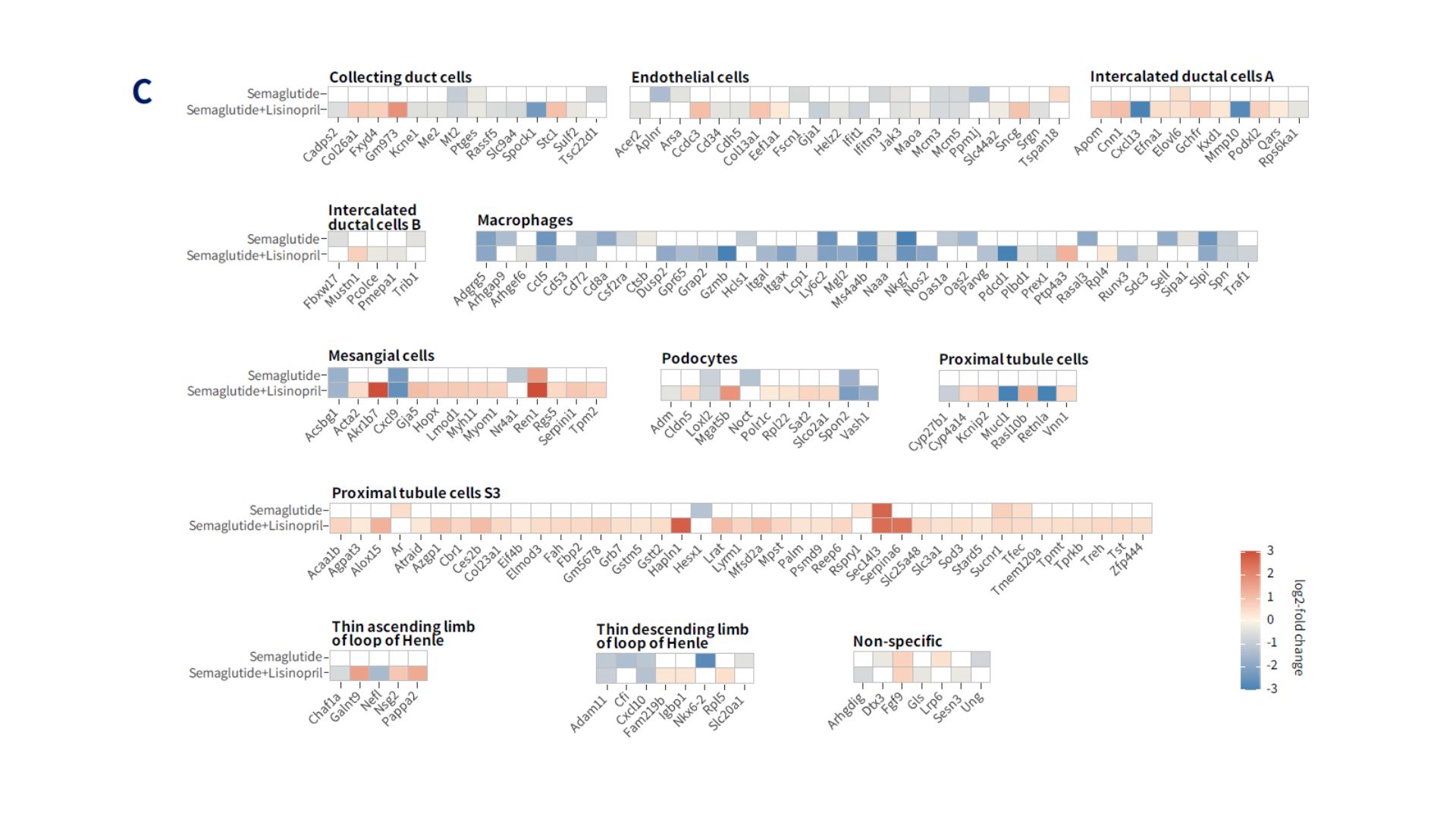
These results demonstrate that the model supports mechanistic evaluation of therapeutic effects at the molecular and cellular level.
Cardiorenal Endpoints & Readouts
The ReninAAV-UNx db/db mouse model enables simultaneous assessment of cardiovascular and renal disease progression, providing integrated cardiorenal endpoints for evaluating therapeutic efficacy in diabetic kidney disease.
Reduced cardiac fibrosis
Semaglutide treatment reduced cardiac fibrosis and collagen deposition in ReninAAV-UNx db/db mice.
Figure 1. Semaglutide reduced cardiac fibrosis as determined by 3D whole-heart imaging.
Cardiac fibrosis was visualized using high-resolution three-dimensional light sheet fluorescence microscopy (LSFM). Total heart collagen and relative left ventricular perivascular collagen were quantified following treatment.
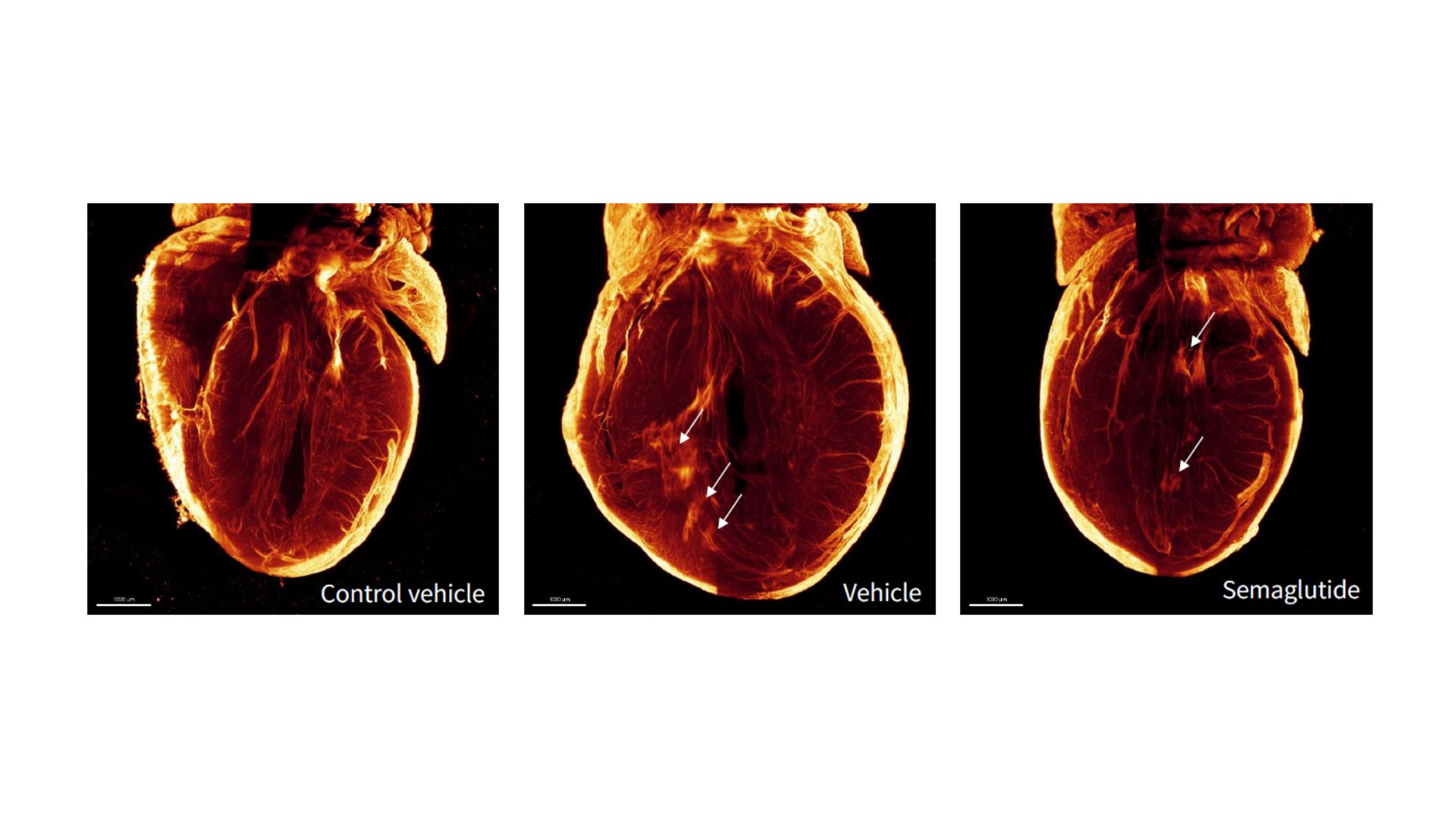
These findings demonstrate that the model enables quantitative assessment of cardiac fibrosis using whole-heart 3D imaging.
Reduced cardiac fibrosis
Semaglutide treatment reduced cardiac fibrosis and collagen deposition in ReninAAV-UNx db/db mice.
Figure 1. Semaglutide reduced cardiac fibrosis as determined by 3D whole-heart imaging.
Cardiac fibrosis was visualized using high-resolution three-dimensional light sheet fluorescence microscopy (LSFM). Total heart collagen and relative left ventricular perivascular collagen were quantified following treatment.
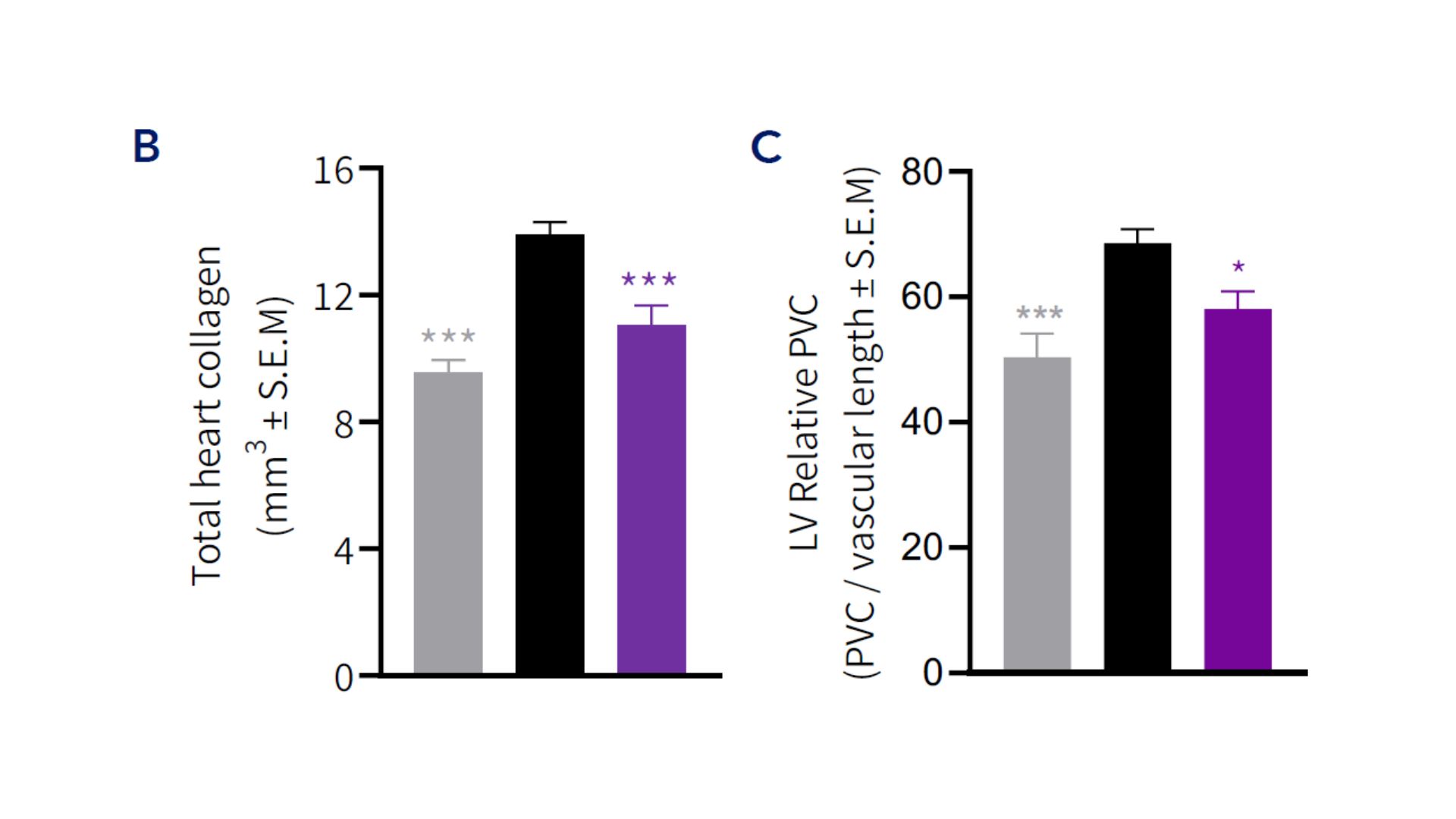
These findings demonstrate that the model enables quantitative assessment of cardiac fibrosis using whole-heart 3D imaging.
Reduced cardiac hypertrophy
Semaglutide treatment improved structural measures of cardiac remodeling associated with diabetic cardiovascular disease.
Figure 2. Semaglutide improved cardiac hypertrophy.
Heart-to-tibia ratio, absolute heart volume, left ventricular chamber volume, and left ventricular wall thickness were evaluated following treatment. Semaglutide improved multiple measures of cardiac hypertrophy compared with vehicle-treated animals.
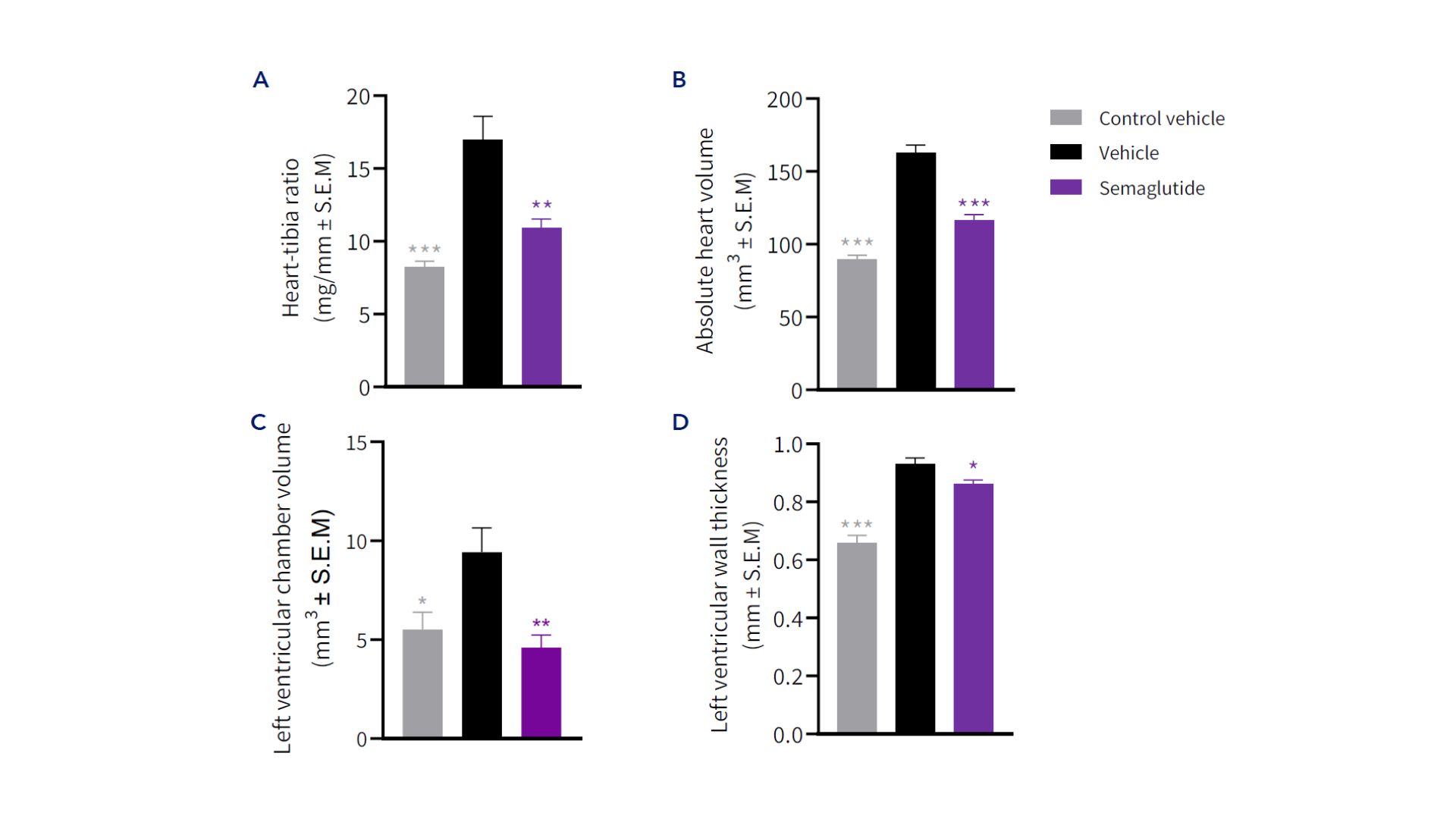
These findings demonstrate that the model captures structural cardiac changes associated with hypertension-accelerated diabetic kidney disease.
Improved hallmarks of diabetic kidney disease
Semaglutide treatment improved key renal endpoints associated with diabetic kidney disease progression.
Figure 3. Semaglutide improved glomerulosclerosis severity, albuminuria and plasma urea levels in ReninAAV-UNx db/db mice.
Glomerulosclerosis severity, urine albumin-to-creatinine ratio (uACR), and plasma urea were evaluated following treatment. Semaglutide improved all three measures compared with vehicle-treated animals.
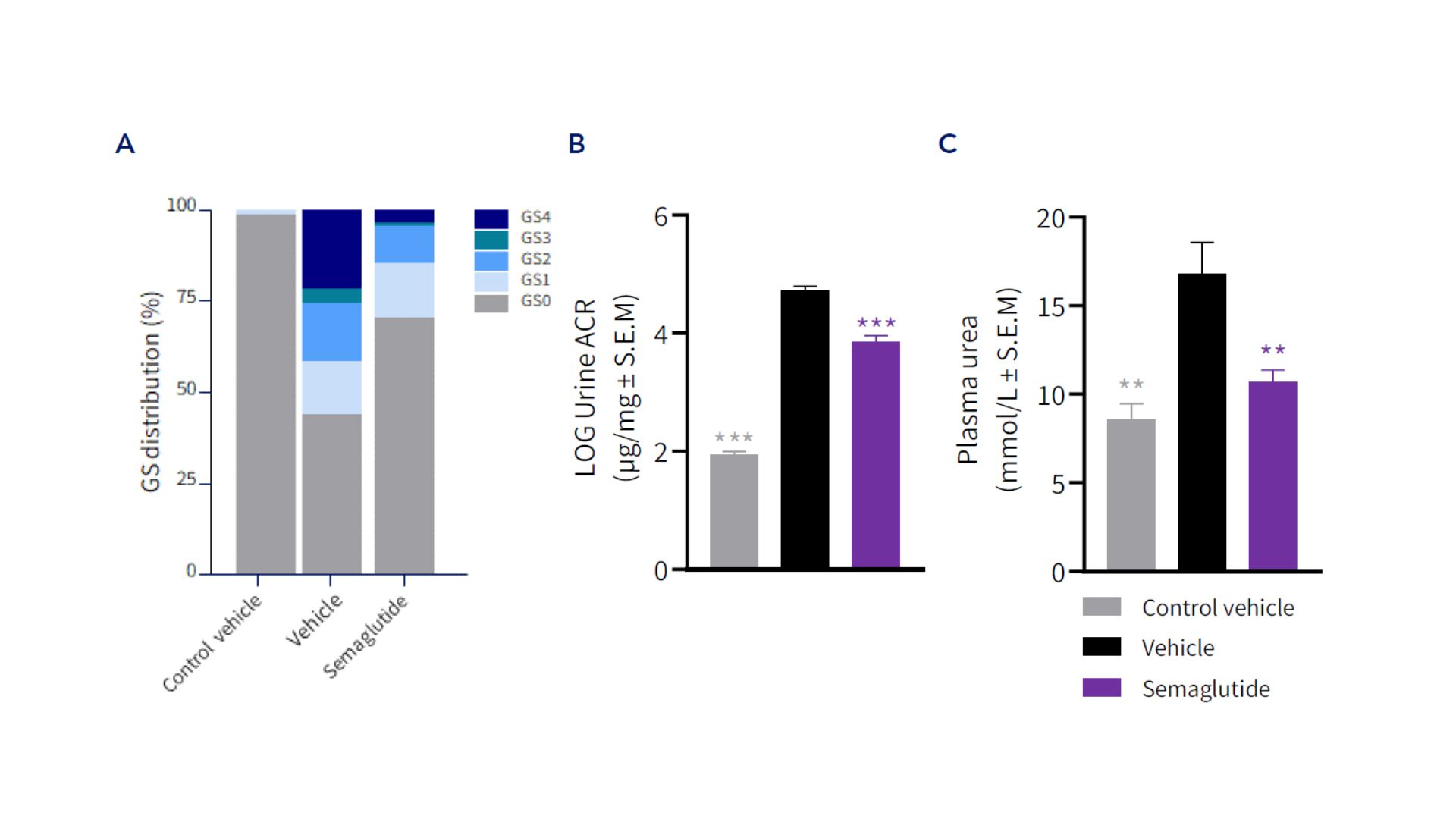
These findings demonstrate that the model supports integrated assessment of renal function and kidney pathology in diabetic kidney disease.
FAQ
Frequently asked questions about model performance, applications, and study design.
The db/db UNx-ReninAAV model is used to study hypertension-accelerated diabetic kidney disease and evaluate therapies targeting metabolic dysfunction, albuminuria, glomerular injury, and disease progression.
The model supports assessment of body weight, blood glucose, HbA1c, blood pressure, albuminuria, glomerulosclerosis, kidney histology, and renal transcriptomic changes.
Yes. ReninAAV-mediated renin overexpression induces hypertension, which contributes to accelerated diabetic kidney disease progression.
Yes. The model responds to semaglutide and semaglutide plus lisinopril treatment, demonstrating improvements across multiple metabolic and renal endpoints.
Yes. The model supports both bulk RNA sequencing and single-nucleus RNA sequencing for assessment of renal cell-type specific transcriptomic changes.
For further information
Contact us
Gubra
Hørsholm Kongevej 11B
2970 Hørsholm
Denmark
+45 3152 2650